Label the confusing items first
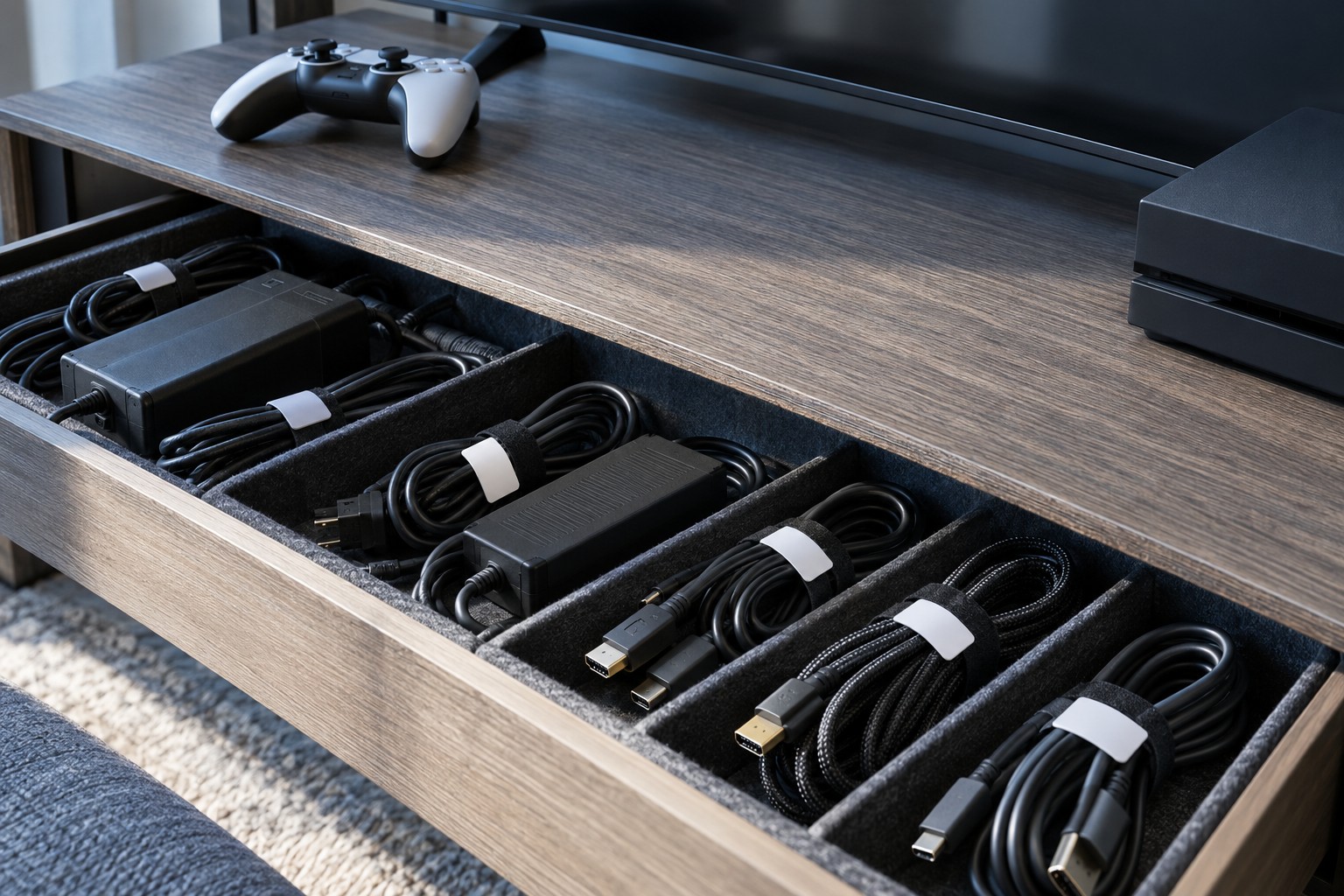
Start with accessories that look alike but are not interchangeable. Power adapters, USB leads, controller receivers and small mounting parts are common examples. Use the device name and a short role, such as living-room controller receiver or handheld video cable. A label that only says USB repeats what the connector already tells you and does not help distinguish charging from data or video use.
Keep the manufacturer's electrical and model markings visible on power supplies. Your label should identify the matching device, not replace the specification printed by the maker. Do not decide compatibility from connector fit alone. If an adapter's origin is unknown, set it aside for identification rather than assigning it to whichever device happens to accept the plug.
A small wraparound tag near a cable end is easier to read than a sticker hidden halfway through a coil. Leave enough distance from the connector that the label does not interfere with insertion or strain relief. Use a material appropriate for the surface and avoid covering ventilation, contacts or removable panels. For a valuable finish, attach the label to a pouch or tag instead of directly to the device.
Use matching names at both ends when a cable disappears behind furniture. That lets you identify the console lead at the television without pulling on it. If several household members share the setup, agree on plain names everyone understands. Color can help, but include text so the system still works in poor light or for someone who cannot reliably distinguish the chosen colors.
Keep the storage arrangement consistent
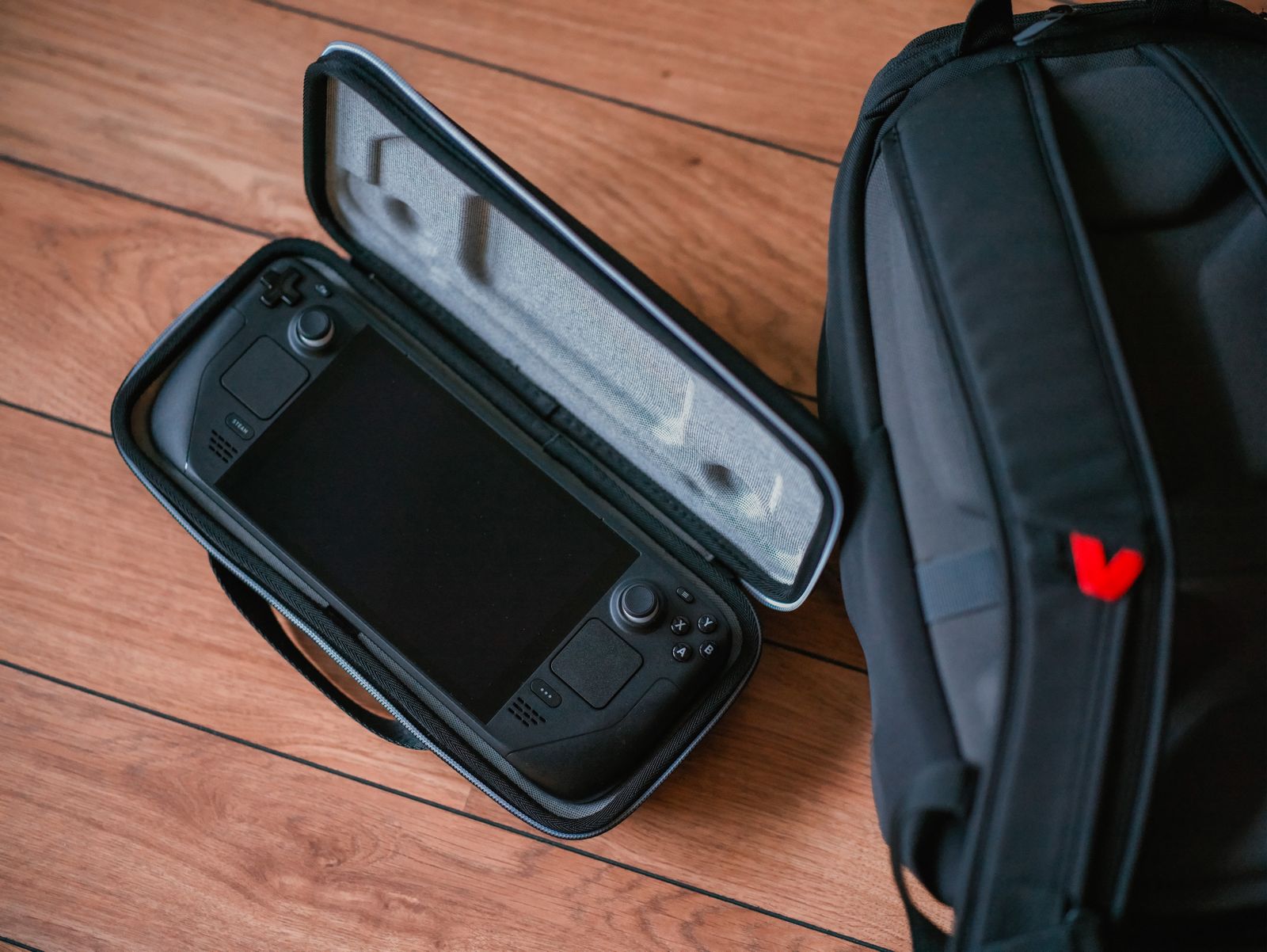
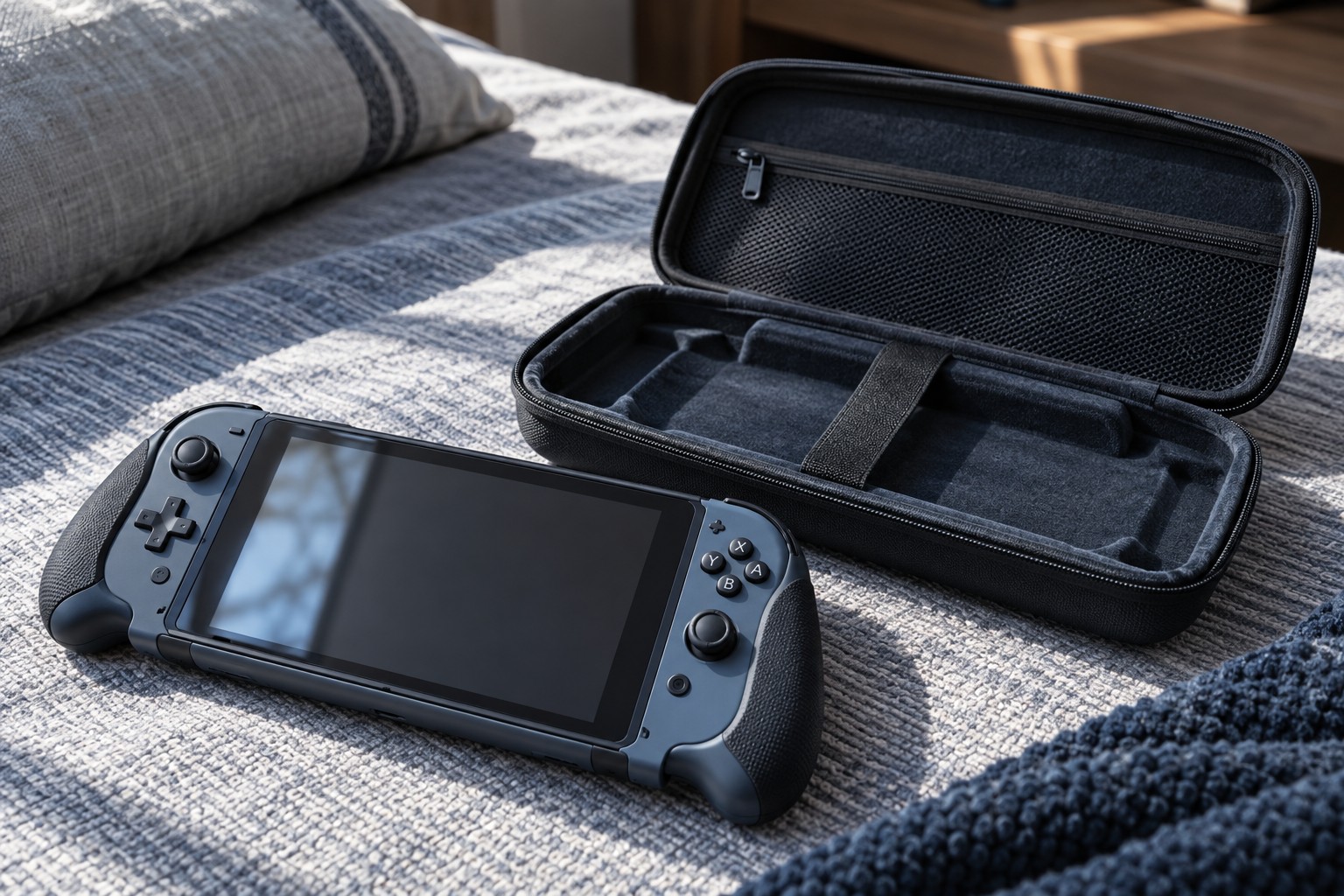
Store each small receiver or proprietary adapter with its device when it is not in use. A compartmented box or separate pouch can prevent loose pieces from migrating between console kits. Put spare screws in labeled bags that name the accessory and location; tiny differences in length can matter when reinstalling a stand or mount.
Update labels when the setup changes. A cable called old console becomes ambiguous after another upgrade, while a model-based name remains useful. Remove labels that are no longer correct rather than adding contradictory tags on top. Before a trip or a room move, use the labels to check the complete kit against a short list. The system succeeds when another person can reconnect the equipment without guessing.