Read the device's power requirements
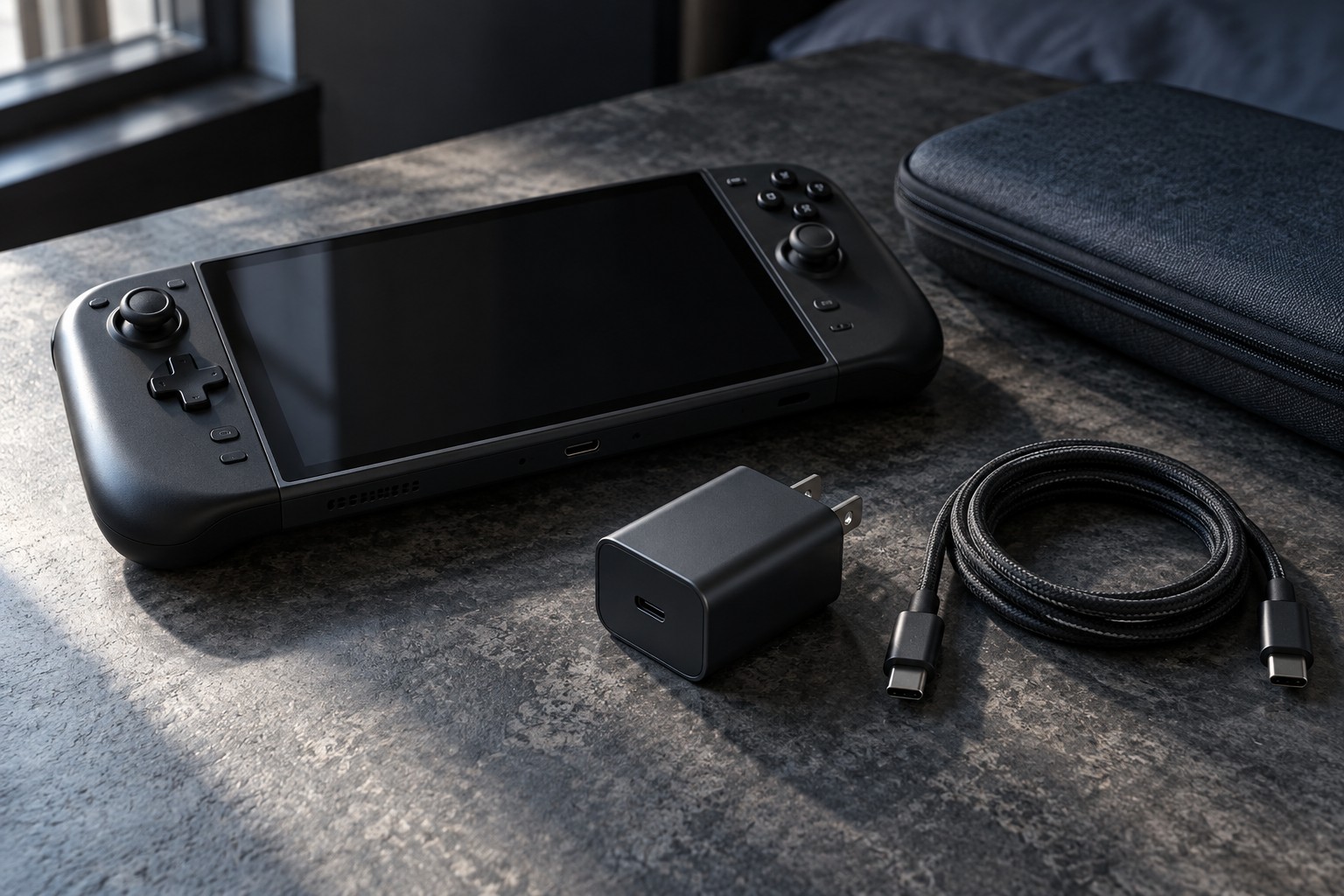
Start with the handheld maker's recommended charger and supported alternatives. Note any required USB Power Delivery profiles or model-specific restrictions. Do not choose a replacement solely from the charger's largest advertised wattage; the output profiles and the device's support must match.
Check whether the device has different requirements for charging while idle, playing or operating through a dock. A source that slowly charges a sleeping handheld may not maintain the battery during a demanding game. Use the maker's guidance rather than interpreting any charging icon as proof of full suitability.
Check the cable as part of the system
Read the cable's supported power rating and any required identification features. A cable supplied with a low-power accessory may not be appropriate for a higher-power handheld. Choose a clearly specified product from a reliable source and follow the device manufacturer's cable recommendations.
Data and video are separate capabilities. A cable suitable for charging may not support a dock's display or data requirements. If one cable is intended for several roles, list those roles explicitly and confirm all of them rather than assuming a high power rating includes fast data.
Measure the route from outlet to the normal playing position. Leave slack at the handheld and keep the connector from carrying the cable's weight. A right-angle connector may look convenient, but check its direction and clearance with the device's grip or case before buying.
Test the intended use
Connect using the documented arrangement and inspect the device's charging status. Test the situation you care about, such as tabletop play or charging between sessions. If the device reports a slow charger or another warning, investigate the charger and cable specifications rather than dismissing it because the plug fits.
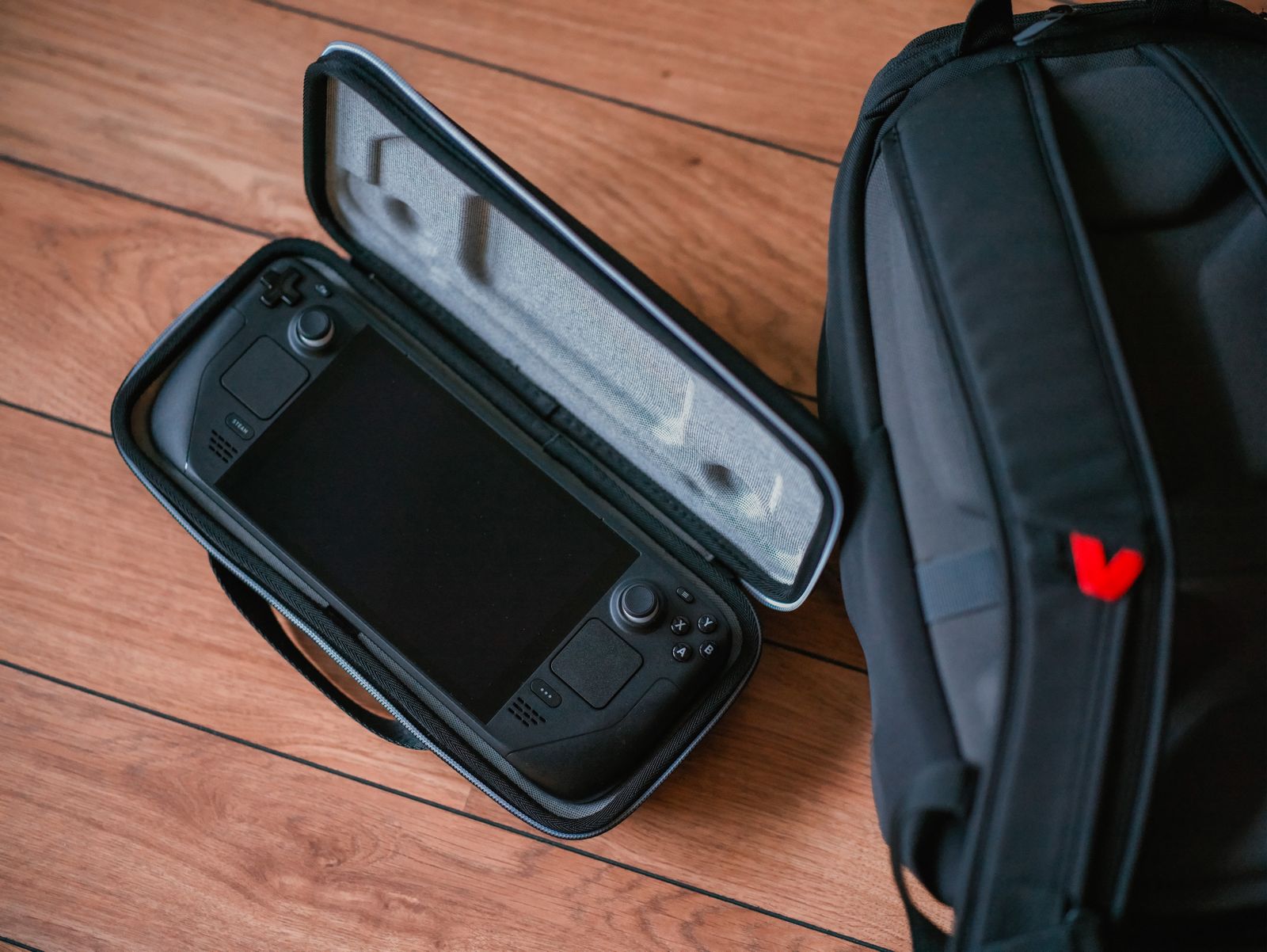
Keep the charger uncovered and placed according to its instructions, and do not operate the handheld in a closed carrying case. Follow the device's ventilation guidance. Cable routing should avoid walkways and prevent an accidental pull from dragging the handheld off a surface.
Label a known suitable travel cable so it is not confused with unrelated charging leads. Replace damaged connectors or frayed cables instead of holding them at an angle to maintain contact. A dependable charging arrangement is a verified combination of device, supply and cable, with enough reach for the way you use it.